
 Send Inquiry
 08045811825

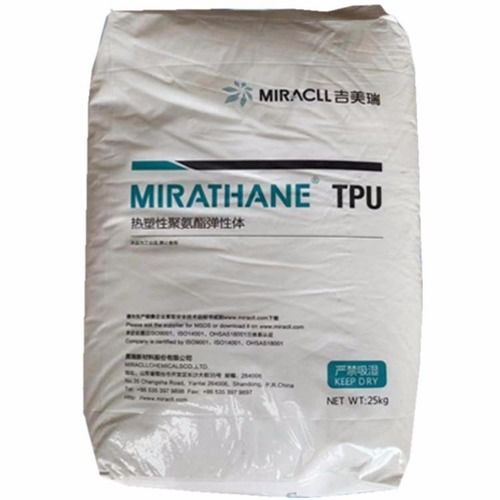
Mirathane TPU
250 INR/Kilograms
Product Details:
- Hardness 75 Shore A
- Packaging Type Bag
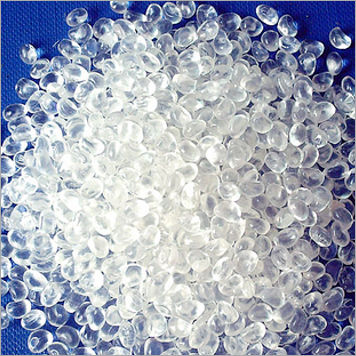
- Form Granules
- Thickness Customizable as per requirement
- Material TPU (Thermoplastic Polyurethane)
- Usage & Applications Industrial components, automotive parts, shoe soles, seals, gaskets, mobile cases, wires & cables, film and sheet extrusion, profile extrusion.
- Type Thermoplastic Elastomer
- Click to view more
X
Mirathane TPU Price And Quantity
- 100 Kilograms
- 250 INR/Kilograms
Mirathane TPU Product Specifications
- Customizable as per requirement
- Bag
- 75 Shore A
- Natural
- Granules
- High abrasion resistance, excellent elasticity, flexible, high elongation, resistant to oil & grease, hydrolysis resistant.
- Technical
- Industrial components, automotive parts, shoe soles, seals, gaskets, mobile cases, wires & cables, film and sheet extrusion, profile extrusion.
- 1.18 Gram per cubic centimeter(g/cm3)
- 25 kg (bag)
- 45 MPa
- TPU (Thermoplastic Polyurethane)
- 160C to 220C
- Thermoplastic Elastomer
Mirathane TPU Trade Information
- 500 Kilograms Per Day
- 1 Days
Product Description
Mirathane TPU is a high-performance thermoplastic polyurethane material known for its exceptional properties and versatility. It offers a wide range of applications, including footwear, industrial components, sporting goods, and more. With its superior durability, flexibility, and resistance to abrasion, Mirathane TPU is a reliable choice for various manufacturing needs.
FAQs:
Q: What is Mirathane TPU?
A: Mirathane TPU is a type of thermoplastic polyurethane renowned for its excellent physical properties. It is a versatile material used in the production of various consumer and industrial products due to its exceptional flexibility, durability, and resistance to wear.
Q: What are the key benefits of using Mirathane TPU?
A: Mirathane TPU offers several advantages, including high elasticity, outstanding abrasion resistance, excellent chemical resistance, and good mechanical properties. It provides durability, flexibility, and reliability, making it suitable for demanding applications.
Q: What industries use Mirathane TPU?
A: Mirathane TPU finds application in multiple industries, such as footwear manufacturing, automotive components, sporting goods, electronics, and industrial equipment. Its versatile nature and exceptional properties make it an ideal choice for diverse manufacturing needs.
Q: Is Mirathane TPU easy to process?
A: Yes, Mirathane TPU is designed for easy processing. It can be injection molded, extruded, or blow molded, allowing for efficient production and customization of various products. Its processing versatility makes it suitable for both large-scale manufacturing and smaller-scale production.
Versatile Applications Across Industries
Mirathane TPU finds extensive use in automotive parts, shoe soles, seals, gaskets, wires, cables, films, sheets, and mobile cases. Its adaptability to both injection molding and extrusion allows manufacturers and designers to create high-performance, customized products across various market segments. With customizable thickness options, it suits a range of technical requirements.
Outstanding Physical and Chemical Properties
Boasting a Shore hardness range from 60 to 95 Shore A, Mirathane TPU delivers superb impact absorption and resistance to abrasion, oil, grease, and hydrolysis. Its flexibility and high elongation ensure durability and longevity even under demanding industrial conditions. Additionally, it remains odorless and maintains transparency, which is ideal for applications requiring aesthetic appeal.
FAQ's of Mirathane TPU:
Q: How is Mirathane TPU processed during manufacturing?
A: Mirathane TPU is processed using injection molding and extrusion methods, allowing it to be formed into various products such as films, profiles, cables, and molded components with customizable thickness.Q: What are the main uses of Mirathane TPU?
A: Mirathane TPU is commonly used for industrial components, automotive parts, shoe soles, gaskets, seals, mobile cases, wires, cables, film and sheet extrusion, and profile extrusion due to its flexibility, strength, and chemical resistance.Q: What benefits does Mirathane TPU offer compared to other materials?
A: Mirathane TPU provides excellent impact and abrasion resistance, high elasticity, flexibility, and resistance to oil, grease, and hydrolysis. Its transparency and odorless nature make it suitable for aesthetic and technical applications.Q: Where should Mirathane TPU be stored to ensure shelf life?
A: Mirathane TPU should be stored in a cool, dry place in its original packaging. Proper storage will maintain its quality for up to 12 months.Q: When is Mirathane TPU recommended over other elastomers?
A: Mirathane TPU is preferred when applications demand high abrasion resistance, superior impact absorption, flexibility, and resistance to oils, chemicals, and water hydrolysis, such as in heavy-duty industrial or automotive uses.Q: What is the process to customize the thickness of Mirathane TPU products?
A: Thickness customization can be achieved during the extrusion or molding process, allowing the manufacturer to adapt product specifications to individual project requirements.Tell us about your requirement

Price:
Quantity
Select Unit
- 50
- 100
- 200
- 250
- 500
- 1000+
Additional detail
Mobile number
Email

Other Products in 'Thermoplastic Polyurethane' category



Contact Details

- Opp. Pgvcl Office, Pl 852 + 854/b, Street No. 11, Aji, Vasahat B/h Reliance Petrol Pump, Rajkot - 360003, Gujarat, India
- Phone : 08045811825
KURMY CORPORATIONS PRIVATE LIMITED
GST : 24AAJCK4246L1ZA
GST : 24AAJCK4246L1ZA

- Mr Dharmesh Sakariya (Proprietor)
- Mobile : 08045811825
-
 kcpl.pu@gmail.com
 Send Inquiry
 Send SMS
KURMY CORPORATIONS
All Rights Reserved.(Terms of Use)
Developed and Managed by Infocom Network Private Limited.
Developed and Managed by Infocom Network Private Limited.

