
 Send Inquiry
 08045811825

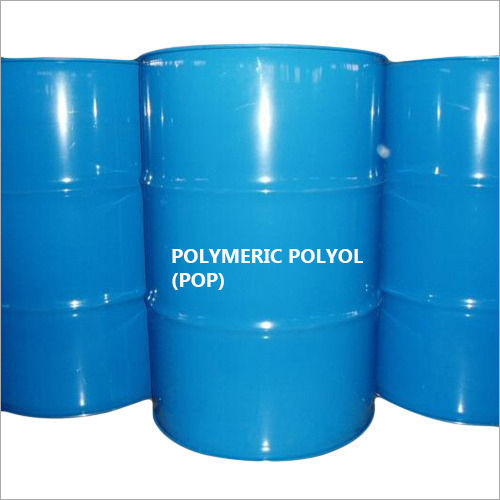
Polymer Polyol
200 INR/Kilograms
Product Details:
- Smell Odorless
- HS Code 39072090
- Taste Odorless / Tasteless
- Ph Level 6.0 8.0
- Usage Used in Flexible & Rigid Polyurethane Foam Manufacturing
- Physical Form Viscous Liquid
- Melting Point <0C
- Click to view more
X
Polymer Polyol Price And Quantity
- 100 Liter
- 200 INR/Kilograms
Polymer Polyol Product Specifications
- 39072090
- Odorless
- <0C
- (C3H6O)n(C2H4O)m
- Odorless / Tasteless
- 6.0 8.0
- Used in Flexible & Rigid Polyurethane Foam Manufacturing
- 618-355-0
- 9003-11-6
- Viscous Liquid
- Industrial Grade
- Polymer Polyol
- Store in tightly closed containers, in cool and dry place
- Liquid
- (C3H6O)n(C2H4O)m
- White to Slightly Yellow
- Varies (typically 3000-6000 g/mol)
- 1.05 Gram per cubic centimeter(g/cm3)
- Polymer Polyol
- Polyurethane Foam Production, Slabstock, Molded Foam
- >200C
- >99%
- 12 months
- Milky, Viscous Liquid
- Polyether Polyol, Copolymer Polyol
- Non-Poisonous
- Polyol
- 0.1%
- Miscible with most organic solvents
- 4000 5500 cps @ 25C
- Compatible with most isocyanates
- 20 45 mgKOH/g
- 200 kg drums / IBC totes
- Stable under recommended storage conditions
- 0.05 mgKOH/g
Polymer Polyol Trade Information
- 1000 Liter Per Week
- 1 Week
Product Description
Polymer Polyol is a type of polyol compound used in the production of polyurethane foams. It plays a crucial role in enhancing the performance and properties of polyurethane materials, making them suitable for a wide range of applications. With its versatility, durability, and customizable characteristics, Polymer Polyol is a key component in the manufacturing of foam products.
FAQs:
Q: What is Polymer Polyol?
A: Polymer Polyol is a polyol compound used as a building block in the production of polyurethane foams. It is created by polymerizing a polyfunctional monomer with a polyol, resulting in a polymeric structure that enhances the properties of the final foam product.
Q: What are the advantages of using Polymer Polyol in polyurethane foams?
A: Polymer Polyol offers several benefits, including improved mechanical strength, enhanced flexibility, increased load-bearing capacity, and excellent resilience. It contributes to the overall durability and performance of polyurethane foams, making them suitable for various applications.
Q: What types of polyurethane foams can be made with Polymer Polyol?
A: Polymer Polyol can be used to produce a wide range of polyurethane foams, including flexible foams (used in furniture, mattresses, and automotive seating), rigid foams (used in insulation and construction), and specialty foams (used in packaging, footwear, and other specific applications).
Q: Can Polymer Polyol be customized for specific foam properties?
A: Yes, Polymer Polyol can be tailored to achieve specific foam properties. By adjusting the molecular weight, composition, and functionality of the polyol, manufacturers can customize the foam's characteristics such as hardness, resilience, density, and flame retardancy.
Optimized for Polyurethane Foam Production
Polymer Polyols unique specificationsincluding its controlled viscosity, high purity, and low water contentmake it ideal for manufacturing both flexible and rigid polyurethane foams. Its consistency ensures predictable performance in slabstock and molded foam applications, contributing to durable and efficient production processes across various industries.
Practical Storage and Handling
This polymer polyol is supplied in robust 200 kg drums or IBC totes, facilitating easy storage and handling for manufacturers, exporters, and distributors. With a recommended storage environment involving tightly closed containers in a cool, dry place, the product maintains its stability and effectiveness for up to 12 months, reducing the risk of spoilage and product loss.
FAQs of Polymer Polyol:
Q: How should Polymer Polyol be stored to ensure stability?
A: To maintain the stability and quality of Polymer Polyol, store the product in tightly closed containers, in a cool and dry place. These measures help prevent contamination and extend the shelf life to 12 months under recommended conditions.Q: What is the primary industrial application of this polymer polyol?
A: This Polymer Polyol is principally used in the manufacture of flexible and rigid polyurethane foams, such as slabstock and molded foams. Its optimized chemical properties ensure excellent foam cell structure and consistent performance in industrial processes.Q: When is Polymer Polyol recommended for use in foam production?
A: Polymer Polyol is recommended for use whenever high-quality, durable, and flexible or rigid polyurethane foams are required. This includes applications in furniture, bedding, automotive seats, insulation panels, and more.Q: Where can I use Polymer Polyol besides foam production?
A: While predominantly used in polyurethane foam manufacturing, Polymer Polyol can also be applied in adhesives, coatings, and elastomers where compatible with the required chemical processes and performance characteristics.Q: What is the process for incorporating Polymer Polyol into polyurethane foam formulations?
A: Polymer Polyol is typically mixed with isocyanates and other additives during the foam production process. Its compatibility with most isocyanates allows for seamless blending, resulting in efficient foam reactions and optimal final product attributes.Q: How does Polymer Polyol benefit foam manufacturers?
A: Manufacturers benefit from Polymer Polyols low water and acid content, high purity, and stable viscosity, which combine to improve foam consistency, increase yield, and reduce reject rates during production.Tell us about your requirement

Price:
Quantity
Select Unit
- 50
- 100
- 200
- 250
- 500
- 1000+
Additional detail
Mobile number
Email


Contact Details

- Opp. Pgvcl Office, Pl 852 + 854/b, Street No. 11, Aji, Vasahat B/h Reliance Petrol Pump, Rajkot - 360003, Gujarat, India
- Phone : 08045811825
KURMY CORPORATIONS PRIVATE LIMITED
GST : 24AAJCK4246L1ZA
GST : 24AAJCK4246L1ZA

- Mr Dharmesh Sakariya (Proprietor)
- Mobile : 08045811825
-
 kcpl.pu@gmail.com
 Send Inquiry
 Send SMS
KURMY CORPORATIONS
All Rights Reserved.(Terms of Use)
Developed and Managed by Infocom Network Private Limited.
Developed and Managed by Infocom Network Private Limited.

