
 Send Inquiry
 08045811825

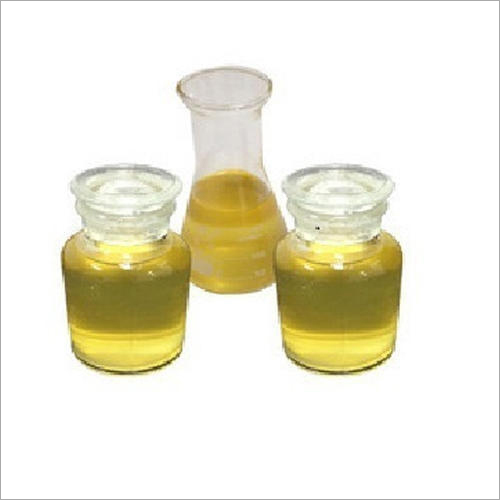
Methylene Diphenyl Diisocyanate
220 INR/Kilograms
Product Details:
- Shelf Life 12 months
- Shape Liquid
- Structural Formula C6H4(NCO)CH2C6H4(NCO)
- Density 1.19 Gram per cubic centimeter(g/cm3)
- Molecular Formula C15H10N2O2
- Poisonous Yes
- Appearance Liquid
- Click to view more
X
Methylene Diphenyl Diisocyanate Price And Quantity
- 220 INR/Kilograms
- 100 Liter
Methylene Diphenyl Diisocyanate Product Specifications
- 29291010
- Industrial Chemical
- Faint Aromatic
- Liquid
- Methylene Diphenyl Diisocyanate
- As a raw material in industrial polyurethane production.
- Odorless
- 202-966-0
- 1.19 Gram per cubic centimeter(g/cm3)
- C15H10N2O2
- Pale Yellow to Brown
- 12 months
- Liquid
- Organic Compound
- C6H4(NCO)CH2C6H4(NCO)
- 34 to 39°C
- MDI, 4,4-Diphenylmethane diisocyanate
- 99%
- Used in the production of polyurethane foams, adhesives, sealants, and coatings.
- 101-68-8
- Yes
- Liquid
- Store in tightly closed containers in a cool, dry, and well-ventilated area, away from moisture.
- 250.25 g/mol
- Industrial
- 200°C
- Causes skin and eye irritation, respiratory irritation, may cause sensitization by inhalation and skin contact
- Stable under recommended storage conditions
- 1.573 at 25°C
- UN 2078, Class 6.1 Toxic Substances
- < 0.01 mm Hg at 20°C
- Use personal protective equipment. Avoid contact with skin, eyes, and clothing. Avoid inhalation.
- Drums, IBC Totes, Tanker
- Reacts with water
- 199°C (390°F)
Methylene Diphenyl Diisocyanate Trade Information
- 1000 Liter Per Week
- 1 Week
Product Description
Methylene Diphenyl Diisocyanate (MDI) is a key chemical compound used in the production of polyurethane foams, coatings, adhesives, and elastomers. It is known for its reactivity and versatility, allowing for the creation of a wide range of polyurethane-based products with different properties. MDI plays a critical role in various industries, providing durable and high-performance materials.
FAQs :
Q: What is Methylene Diphenyl Diisocyanate (MDI)?
A: MDI is a chemical compound used as a raw material in the production of polyurethane foams, coatings, adhesives, and elastomers. It is produced by combining aniline and formaldehyde, resulting in a versatile and reactive compound.
Q: What are the applications of MDI?
A: MDI finds applications in a wide range of industries. It is primarily used in the production of rigid polyurethane foams for insulation, construction materials, and appliances. It is also utilized in flexible foams for furniture, automotive seating, and bedding. Additionally, MDI is used in coatings, adhesives, sealants, and elastomers.
Q: What are the advantages of using MDI in polyurethane products?
A: MDI offers several advantages, including excellent durability, thermal insulation, chemical resistance, and mechanical strength. It allows for the creation of products with varying properties, such as rigid or flexible foams, depending on the specific needs of the application.
Q: Is MDI safe to use?
A: When handled and used following proper safety protocols, MDI is considered safe for industrial use. However, like any chemical compound, it should be handled with care, and workers should follow appropriate safety guidelines to minimize exposure risks.
Q: Can MDI cause allergic reactions?
A: MDI has the potential to cause sensitization and allergic reactions in individuals who are exposed to high concentrations or have pre-existing sensitivities. It is crucial to follow safety guidelines and ensure proper ventilation and personal protective equipment when working with MDI.
Core Applications and Uses
MDI serves as a foundational chemical in the manufacturing of polyurethane foams, adhesives, sealants, and coatings. Its robust reactivity and reliable properties make it vital for industries producing insulation boards, furniture, automotive parts, and construction components.
Safe Handling and Storage Requirements
Proper handling of MDI involves the use of protective gloves, clothing, and eye protection to prevent skin and eye contact, as well as respiratory protection to avoid inhalation. Always store the product in tightly closed containers in cool, dry, and ventilated spaces, away from moisture, to maintain its stability and shelf life for up to 12 months.
Packaging and Distribution
MDI is available in varied packaging options such as drums, IBC totes, and tankers to suit large-scale industrial demands. It is distributed, exported, and supplied by reputable traders and manufacturers in India, meeting international safety and transport regulations under UN 2078, Class 6.1.
FAQs of Methylene Diphenyl Diisocyanate:
Q: How should Methylene Diphenyl Diisocyanate (MDI) be stored to ensure optimal stability?
A: MDI should be stored in tightly closed containers, kept in a cool, dry, and well-ventilated area away from moisture. This prevents unwanted reactions and maintains the chemicals stability and shelf life, which is up to 12 months under recommended storage conditions.Q: What precautions must be taken when handling MDI in an industrial environment?
A: When working with MDI, always use personal protective equipment, including gloves, safety goggles, and protective clothing. Avoid any contact with skin and eyes, and prevent inhalation of vapors by working in well-ventilated areas or using respiratory protection.Q: When is MDI typically used during the polyurethane production process?
A: MDI is commonly added at the raw materials stage in the production of polyurethane foams, adhesives, sealants, and coatings. Its reactivity initiates the polymerization needed to form durable, flexible, or rigid end-products depending on formulation requirements.Q: Where is MDI most commonly applied in the industry?
A: Industry sectors such as construction, automotive, electronics, and furniture rely on MDI for the creation of polyurethane-based materials, such as foam insulation, sealants, coatings, and high-performance adhesives.Q: What is the benefit of using MDI over alternative isocyanates in polyurethane manufacturing?
A: MDI offers high purity, controlled reactivity, and a relatively high flash point, leading to safer handling and consistent product quality. It enables manufacturers to produce polyurethane materials with tailored properties for diverse industrial needs.Q: How does MDI react with water, and what measures should be taken during usage?
A: MDI reacts vigorously with water, releasing carbon dioxide and possibly causing pressure build-up. It is crucial to keep it away from moisture and handle it in dry environments to avoid hazardous reactions.Tell us about your requirement

Price:
Quantity
Select Unit
- 50
- 100
- 200
- 250
- 500
- 1000+
Additional detail
Mobile number
Email


Contact Details

- Opp. Pgvcl Office, Pl 852 + 854/b, Street No. 11, Aji, Vasahat B/h Reliance Petrol Pump, Rajkot - 360003, Gujarat, India
- Phone : 08045811825
KURMY CORPORATIONS PRIVATE LIMITED
GST : 24AAJCK4246L1ZA
GST : 24AAJCK4246L1ZA

- Mr Dharmesh Sakariya (Proprietor)
- Mobile : 08045811825
-
 kcpl.pu@gmail.com
 Send Inquiry
 Send SMS
KURMY CORPORATIONS
All Rights Reserved.(Terms of Use)
Developed and Managed by Infocom Network Private Limited.
Developed and Managed by Infocom Network Private Limited.

